Good oral health starts with prevention. Many patients who visit a dentist in Novi, MI, are encouraged…
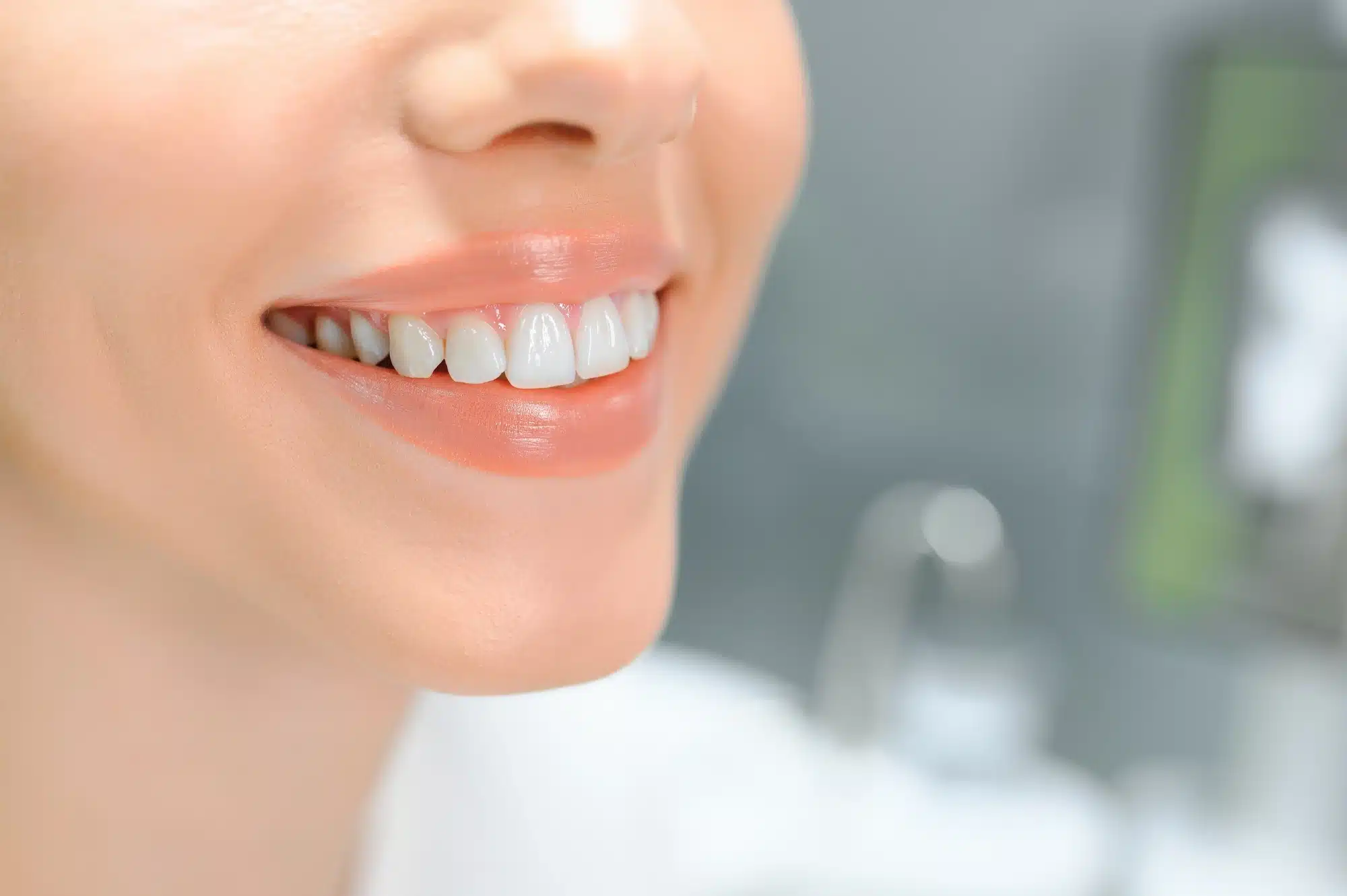
How White Can Your Teeth Actually Get with Whitening?
Many people picture teeth whitening as a single shade change: dark to bright, dull to white. In reality, whitening works more like a scale than a switch. Your starting tooth color, the type of staining present, and the structure of your enamel all influence how far your smile can brighten.
Knowing what influences those limits helps you decide whether whitening meets your goals or if another option from a cosmetic dentist in Novi, MI, may be a better fit.
What Teeth Whitening Can Realistically Change
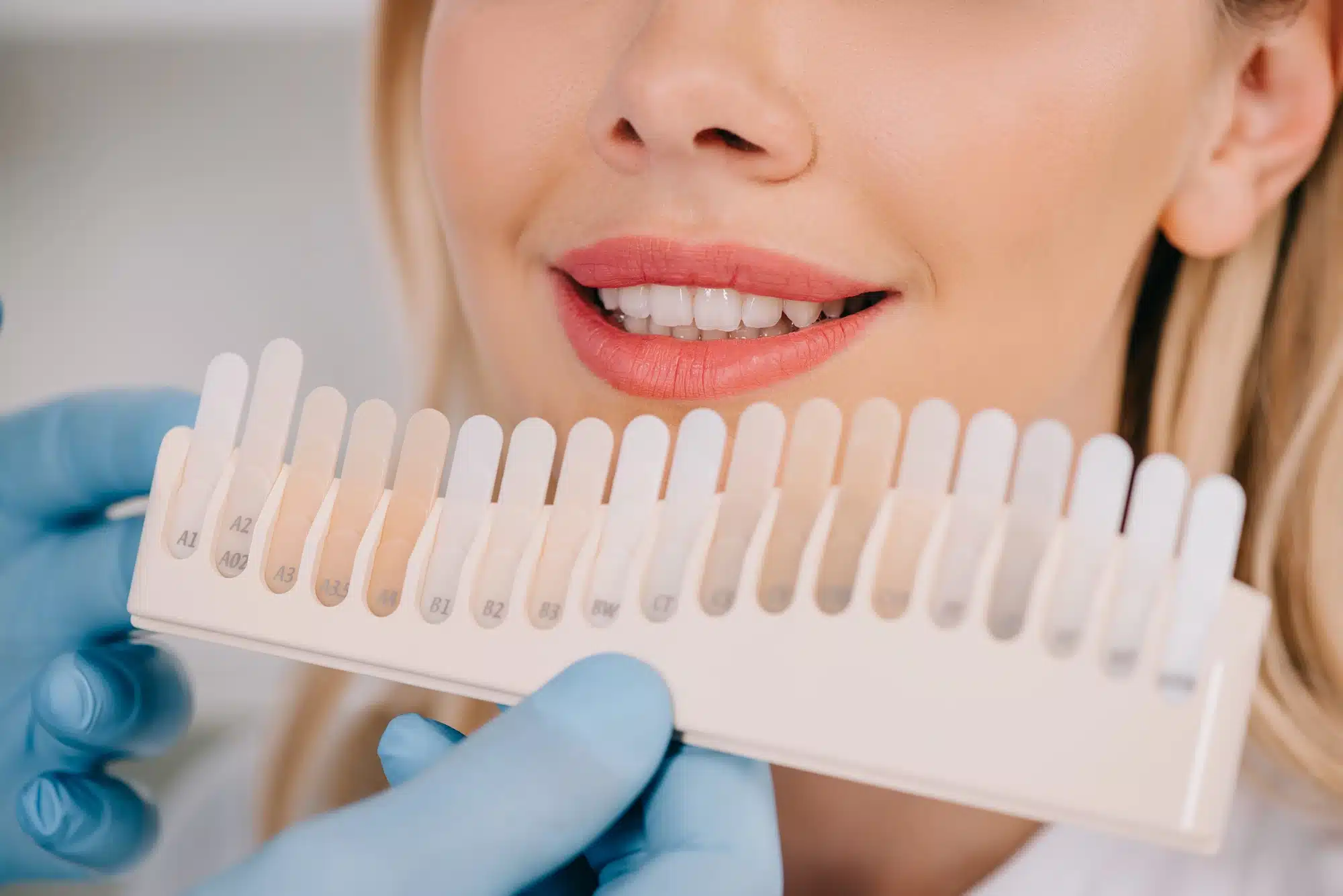
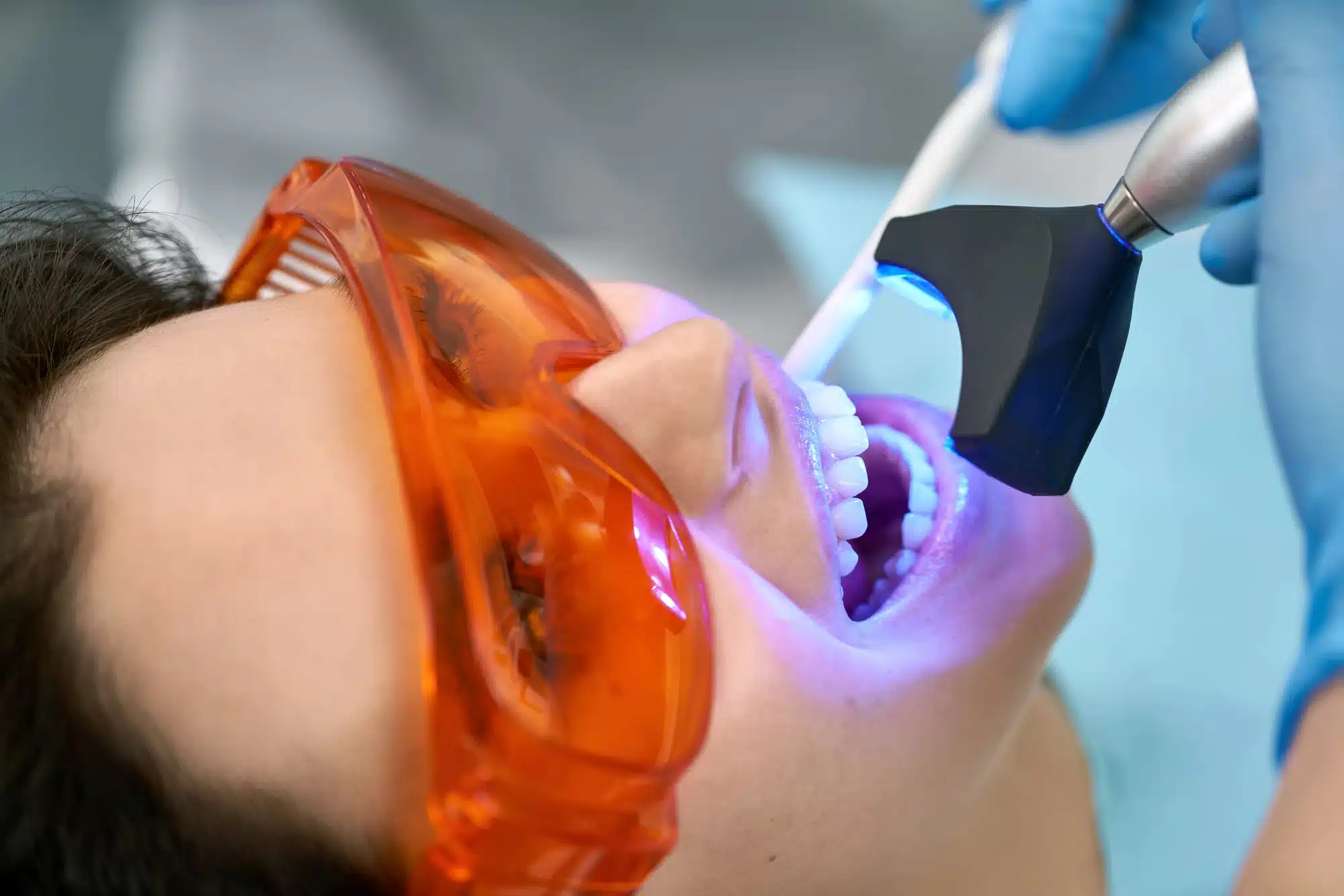
Professional teeth whitening works by breaking down stains on the surface of your enamel, allowing your natural tooth color to appear lighter and brighter. Most patients see their teeth lighten by several shades, often after just one in-office treatment.
That said, whitening does not turn every smile into a bright, paper-white shade. Teeth have a natural color influenced by enamel thickness and the dentin underneath. Whitening enhances what is already there. It improves brightness and clarity rather than replacing your natural tooth color.
The aim is to get a healthy-looking, natural white smile that complements your features.
The Types of Stains That Affect Whitening Results
Not all stains respond the same way to whitening, which greatly affects how white your teeth can get.
- Extrinsic stains come from foods, drinks, and habits like coffee, tea, red wine, or smoking. They sit on the enamel and respond very well to whitening.
- Intrinsic stains develop inside the tooth and may be caused by aging, trauma, or certain medications. They can lighten with whitening, but they are often more stubborn.
- Teeth with yellow undertones usually whiten more easily than teeth with gray or brown tones.
Knowing the type of discoloration you have helps your dentist predict how much whitening can realistically achieve.
Factors That Determine How White Your Teeth Can Get
Several personal and clinical factors influence whitening results:
- Natural tooth color and enamel thickness affect how much light passes through the tooth.
- Age, since enamel thins over time and reveals darker dentin.
- Type of whitening treatment, with professional options offering stronger, more controlled results.
- Tooth sensitivity, which may limit how aggressive whitening can be.
A dental evaluation ensures whitening is both effective and comfortable for your specific situation.
Professional Whitening vs. At-Home Options
Professional whitening performed by a dentist typically produces brighter, more even results than store-bought products. In-office treatments use higher-strength whitening agents and protective measures that reduce sensitivity and gum irritation.
Over-the-counter kits can help with mild staining but often deliver uneven or short-lived results. Custom take-home trays from your dentist offer a balanced option, combining professional guidance with at-home convenience.
When Whitening Has Its Limits
Sometimes, whitening alone cannot deliver the results a patient wants. Deep intrinsic stains, uneven tooth color, or visible dental restorations may require other cosmetic solutions.
In these cases, treatments like bonding or veneers may be better suited to achieve a uniform, brighter smile. A professional consultation helps determine the best approach.
Brighten Your Smile with a Cosmetic Dentist in Novi, MI
If you are curious about whitening or exploring other ways to enhance your smile, we offer professional treatments along with cosmetic dentistry options such as bonding, veneers, and more. Contact Goldstein Dental Group today to schedule a consultation!
Related Posts