Good oral health starts with prevention. Many patients who visit a dentist in Novi, MI, are encouraged…

Is Cosmetic Bonding Right for My Smile Goals?
A chipped tooth that catches the light when you smile. A slightly uneven edge that you notice in photos. A small gap that feels bigger every time you look in the mirror. These are the kinds of details that often lead people to explore dental bonding.
The question usually shifts from whether something can be done to what kind of solution makes sense for the concern at hand. Bonding can be a smart choice for the right situation, but it is not a one-size-fits-all answer.
A clear picture of what bonding with a cosmetic dentist in Detroit, MI, is best suited for helps prevent disappointment and leads to choices that feel right long after treatment is complete.

What Cosmetic Dental Bonding Can Accomplish
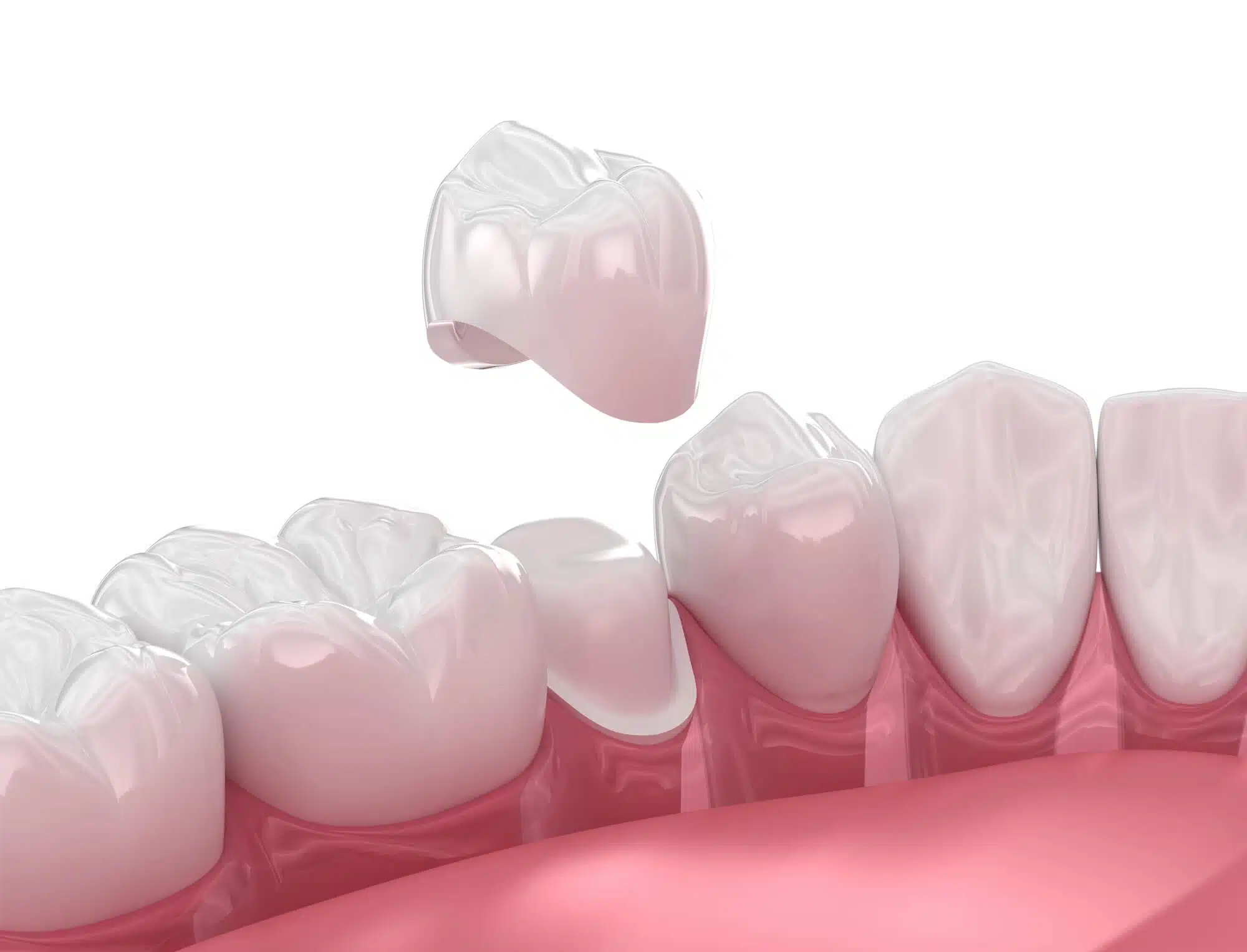
Cosmetic bonding uses a tooth-colored resin that is carefully applied, shaped, and polished to blend naturally with your surrounding teeth. The goal is subtle improvement rather than dramatic transformation.
Bonding is commonly used to:
- Repair small chips or cracks
- Close minor gaps between teeth
- Smooth uneven or worn edges
- Improve the appearance of localized discoloration
- Refine the shape of individual teeth
Because the process preserves most of the natural tooth structure, bonding appeals to patients who want visible improvement without extensive dental work.
Smile Goals That Often Align Well with Cosmetic Bonding
Cosmetic bonding tends to work best for patients with specific, focused concerns. You may be a good candidate if your goals include:
- Enhancing one or two teeth rather than changing your entire smile
- Achieving noticeable results with minimal alteration to your natural teeth
- Completing treatment in a single visit
- Exploring a cosmetic option that is more accessible than veneers
- Preferring a natural, refined look instead of a bold transformation
For these types of goals, bonding can offer a balance of aesthetics, efficiency, and preservation.
Situations Where Cosmetic Bonding May Not Be the Best Fit
While bonding is versatile, it has limitations. It may not be ideal if you have:
- Significant tooth damage or structural weakness
- Larger gaps or major alignment concerns
- Bite issues that place excessive pressure on certain teeth
- A desire for major changes in tooth size, shape, or color
In these cases, treatments such as veneers, orthodontics, or crowns may provide more predictable long-term results. A cosmetic dentist can help guide that decision.
Questions to Ask Yourself Before Choosing Cosmetic Bonding
Before moving forward, it helps to reflect on a few key questions:
- What specifically do I want to change about my smile?
- Am I looking for subtle refinement or a dramatic upgrade?
- How important is long-term durability compared to flexibility?
- Am I comfortable with the possibility of future touch-ups?
- Do I have habits, such as teeth grinding or nail biting, that may affect the bonding?
Honest answers help ensure your expectations align with the treatment.
What a Cosmetic Dentist Evaluates Before Recommending Bonding
A cosmetic dentist looks beyond surface appearance. During a consultation, they evaluate:
- The condition of your enamel and tooth structure
- Bite alignment and natural wear patterns
- Shade matching for seamless results
- Your oral health history and long-term goals
With a comprehensive approach, they ensure bonding enhances your smile without compromising function or longevity.

Explore Your Options with a Cosmetic Dentist in Detroit, MI
Contact Goldstein Dental Group to schedule a cosmetic consultation. Our team offers bonding, professional teeth whitening, veneers, and other dentistry solutions designed to help you feel confident in your smile—today and long term.
Related Posts